



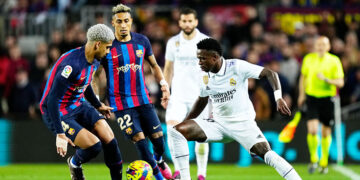
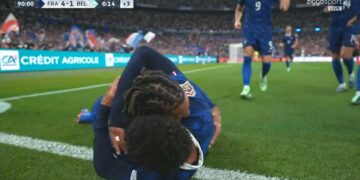






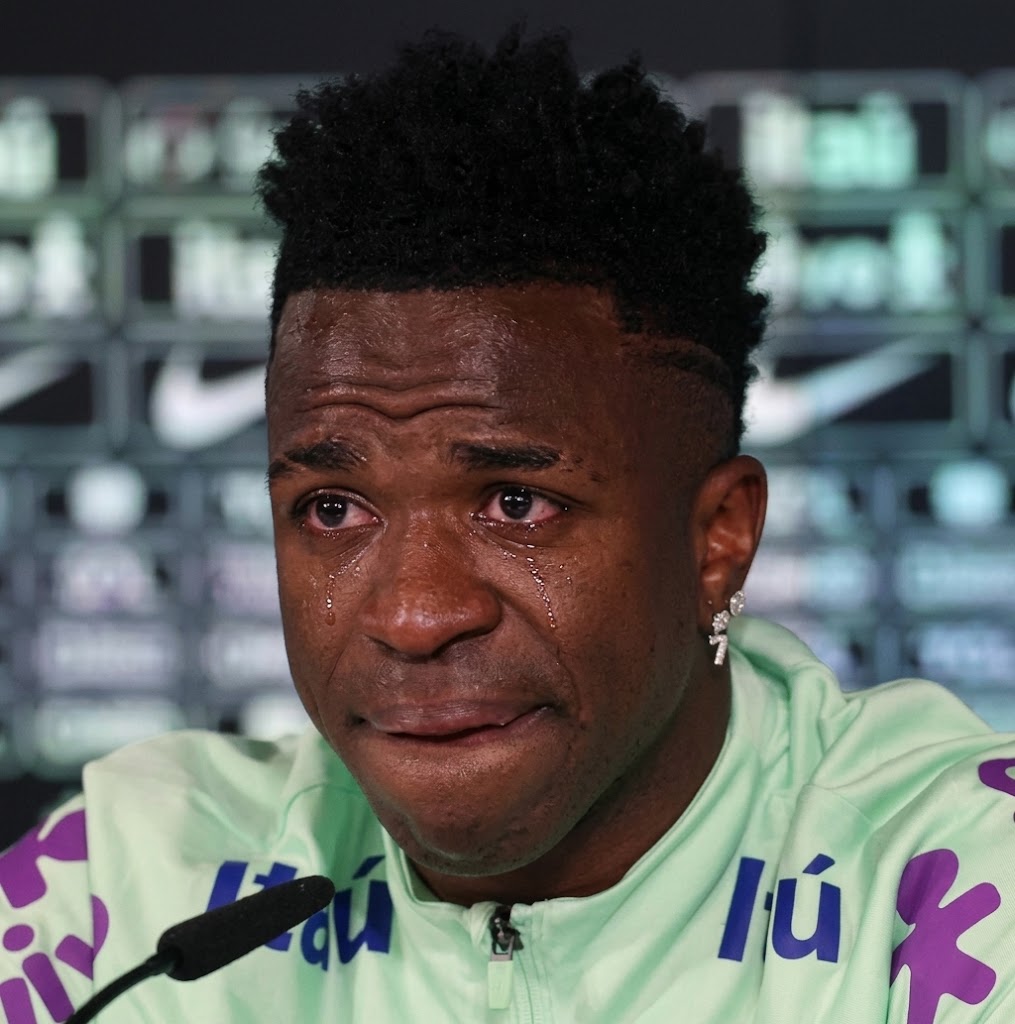
The story of Brazilian star Vinícius Júnior is one of the most compelling and controversial narratives in modern football.

Over the past few years, the Real Madrid winger has embodied an inspiring tale of success, rising from the outskirts of Brazil to become one of the world’s finest players and a leading contender for supremacy in European football.
Yet, as dramatic stories often unfold, his career has taken several unexpected turns, leading him from the heights of footballing glory into a period marked by declining form and unprecedented psychological pressure. A combination of factors has contributed to this difficult phase, including persistent racist abuse, the disappointment of missing out on the Ballon d’Or, and the impact these experiences may have had on his mental and sporting stability.
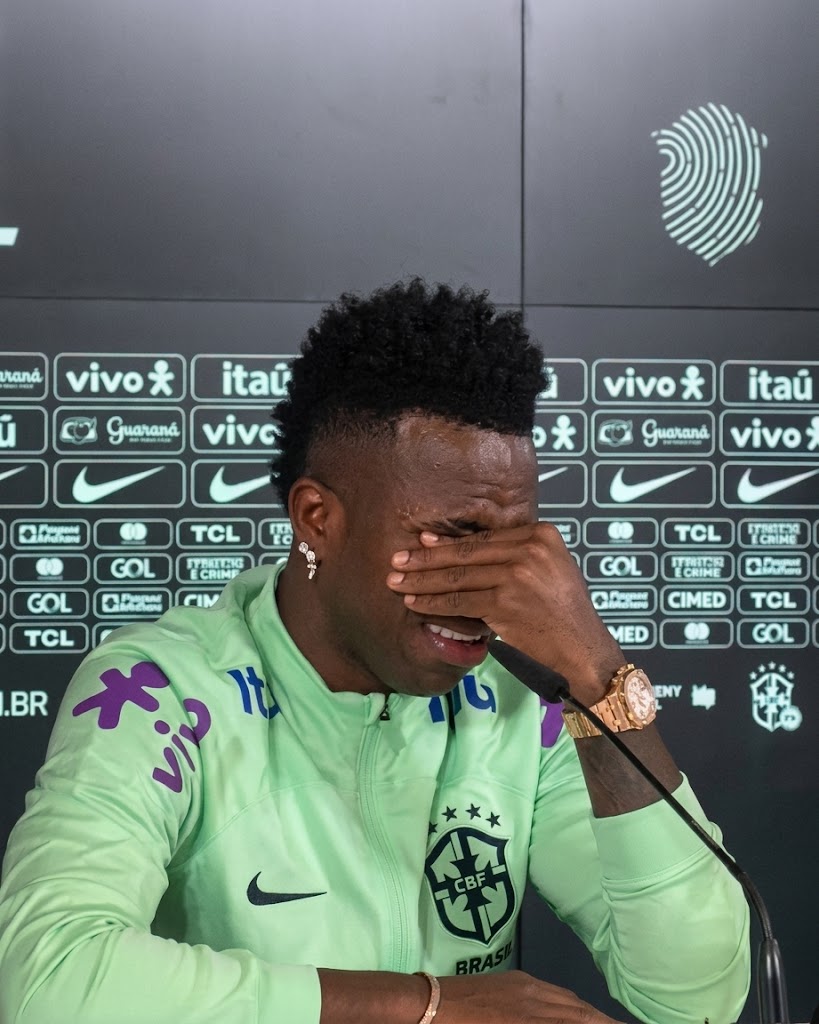
From the Summit to the Slump: The Turning Points in His Decline
Having played a pivotal role in Real Madrid’s Champions League and La Liga triumphs during the 2021–22 and 2023–24 seasons, Vinícius appeared poised to consolidate his position among the world’s elite. However, signs of a dip in form began to emerge as the new season got underway.
Loss of focus and emotional reactions: On several occasions, the Brazilian has appeared to be drawn into confrontations with opposing players and provocative sections of the crowd. These exchanges have sometimes led to disciplinary consequences and, at times, appeared to distract him from his primary task: delivering decisive performances on the pitch.
The impact on attacking effectiveness: His increasingly tense body language and frequent involvement in disputes with referees, fans and opponents have raised questions about whether these distractions are affecting his natural rhythm and attacking sharpness. Critics have pointed to a perceived decline in his finishing and decisive contributions compared with his established standards.
The Price of His Skin Colour: Racism as a Psychological Burden
Vinícius’s struggle against racism has extended far beyond isolated incidents in Spanish stadiums, developing into a recurring issue that has followed him from match to match.
From the notorious racist abuse at Valencia’s Mestalla Stadium to the hanging of an effigy bearing his likeness and insults directed at him away from stadiums, the Brazilian has repeatedly found himself at the centre of disturbing episodes of racial hostility.
The immense psychological toll: Confronting hatred and racism week after week can place an enormous burden on anyone, particularly a young athlete living under the constant scrutiny of the global media. The persistent nature of these incidents raises serious questions about their potential impact on his emotional well-being and performance.
A sense of abandonment: Vinícius has repeatedly spoken out about what he considers an inadequate response from football authorities and sporting institutions in Spain. His public statements have conveyed a sense that he is being forced to fight a near-daily battle against racism, sometimes without the level of support he believes is necessary.
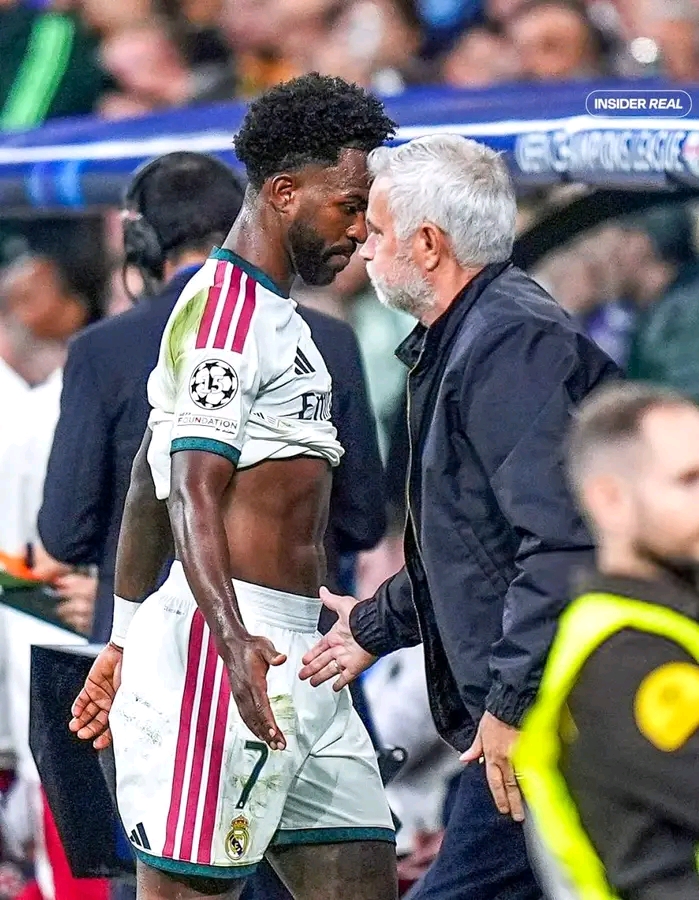
Such circumstances can create considerable emotional strain, potentially affecting a player’s concentration, confidence and composure on the pitch.
The Ballon d’Or Blow: The Final Straw?
The night of 28 October 2024 marked a major and painful turning point in Vinícius’s professional journey, particularly in the aftermath of the Ballon d’Or controversy.
For months, many observers, Real Madrid supporters and figures within the club had expected Vinícius to win football’s most prestigious individual award, citing his decisive role in the club’s successful 2023–24 campaign and its major trophy victories.
However, in the final days before the ceremony, reports emerged indicating that Spanish midfielder Rodri was set to receive the award instead.
Real Madrid responded by making the unprecedented decision to boycott the ceremony, standing by their star player and expressing their dissatisfaction with the outcome.
The emotional blow: Missing out on the Ballon d’Or was a significant disappointment for Vinícius, who had enjoyed an outstanding season and emerged as one of the leading candidates for the honour. For a player who had overcome considerable obstacles throughout his career, the award represented more than individual recognition; it was also an opportunity to celebrate years of hard work and perseverance.
The disappointment fuelled speculation about its potential psychological impact, particularly when considered alongside the persistent racism he had experienced and the pressure of competing at the highest level.
His response, however, was defiant. Shortly after the result was announced, Vinícius posted a message on social media that became widely associated with his determination to prove his critics wrong:
“I’ll do it 10 times if I have to. They’re not ready.”
The message reflected his desire to turn disappointment into motivation and reaffirm his determination to reach the summit of world football.
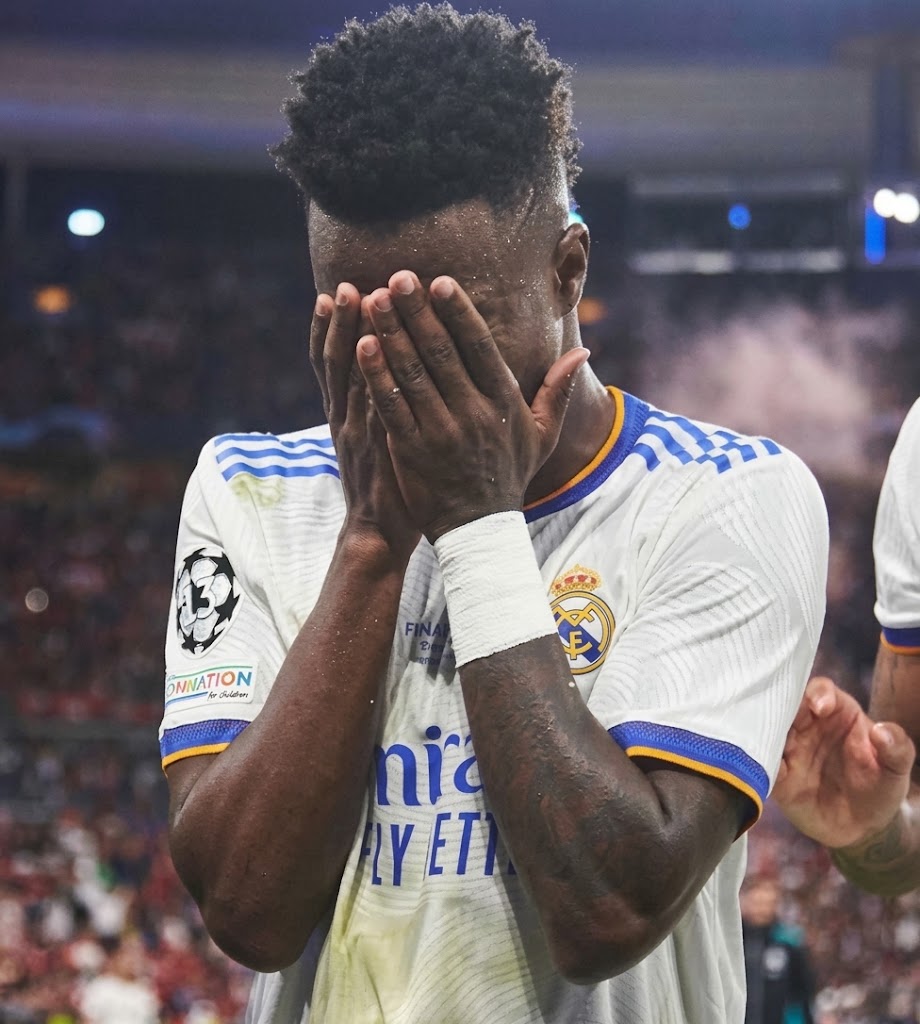
Yet public defiance does not necessarily erase private disappointment. Reports in the sports media suggested that Vinícius was deeply upset in the hours following the announcement. He was reportedly so confident of winning that preparations had already been made for the ceremony, including arrangements for a private flight to Paris with family members and friends.
The episode highlighted the emotional gap that can exist between a footballer’s public image of resilience and the personal disappointment experienced behind closed doors.
Can Vinícius Make a Comeback?
Vinícius Júnior’s journey from the heights of success into a period of uncertainty serves as a reminder that football’s biggest stars are human beings, vulnerable to psychological pressure and emotional setbacks just like anyone else.
For the Brazilian, the challenge extends beyond beating defenders and creating scoring opportunities. It also involves maintaining his composure amid provocation, managing the pressure of global expectations and finding the mental balance necessary to perform consistently at the highest level.
His fight against racism remains an important part of his public story, while the Ballon d’Or disappointment represents another chapter in a career shaped by both extraordinary achievements and intense scrutiny.
Ultimately, his ability to respond to adversity will be judged not by headlines or social media declarations, but by his performances on the pitch and his capacity to sustain his excellence over time.
The true measure of a champion is not whether he falls, but whether he can rise again. For Vinícius Júnior, the next chapter offers an opportunity to turn adversity into motivation, silence his critics through his football and demonstrate that setbacks need not define an otherwise remarkable career.