








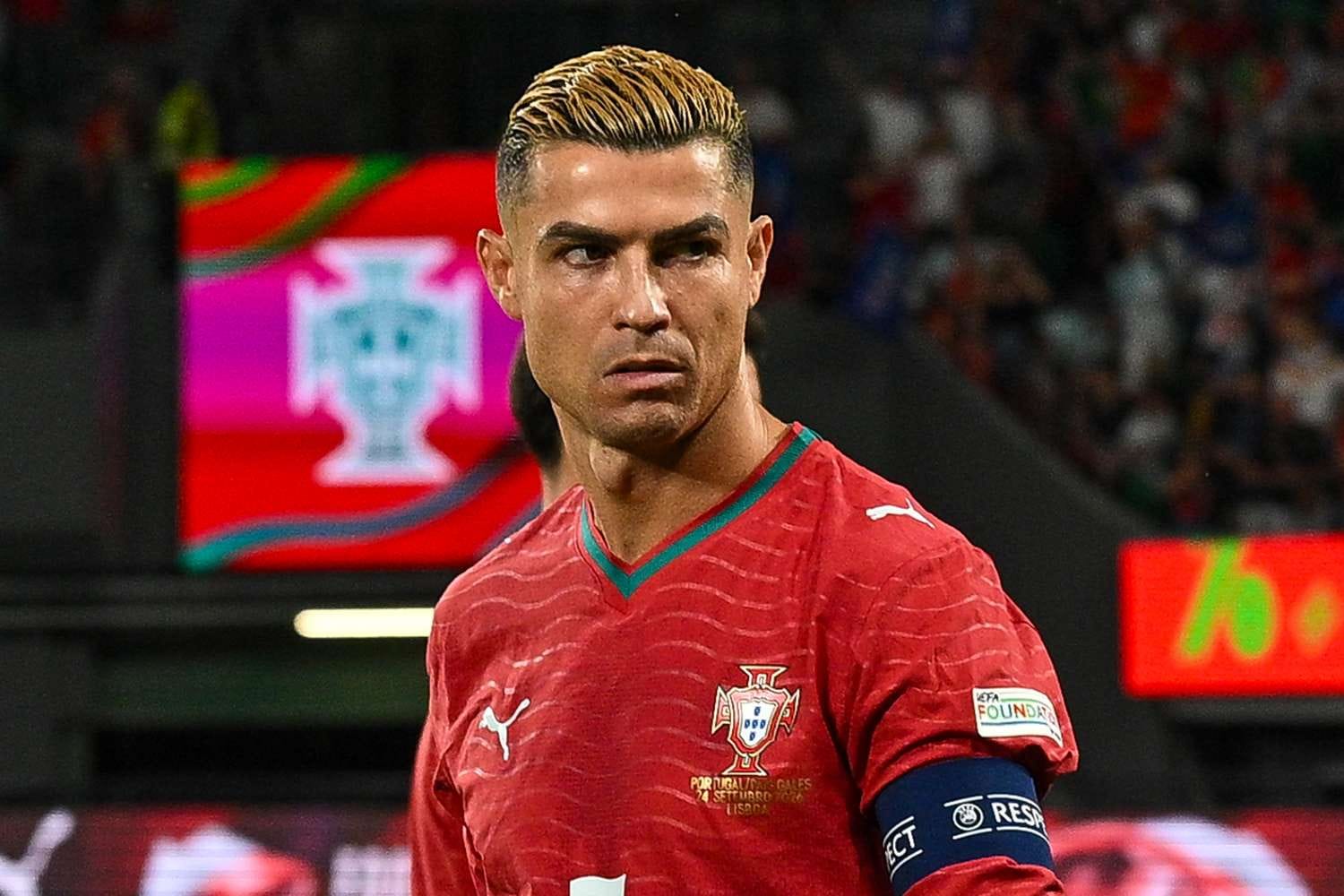

Cristiano Ronaldo could face a suspension of up to six months from international football after abruptly leaving Portugal’s national team camp following a dispute with head coach Jorge Jesus. The incident has triggered a disciplinary debate over the Portuguese captain’s conduct, with the country’s football regulations allowing sanctions for players who leave national team duties without an accepted justification.
The controversy has placed fresh attention on Ronaldo’s relationship with the national team management, although the forward has insisted that he remains committed to representing Portugal.
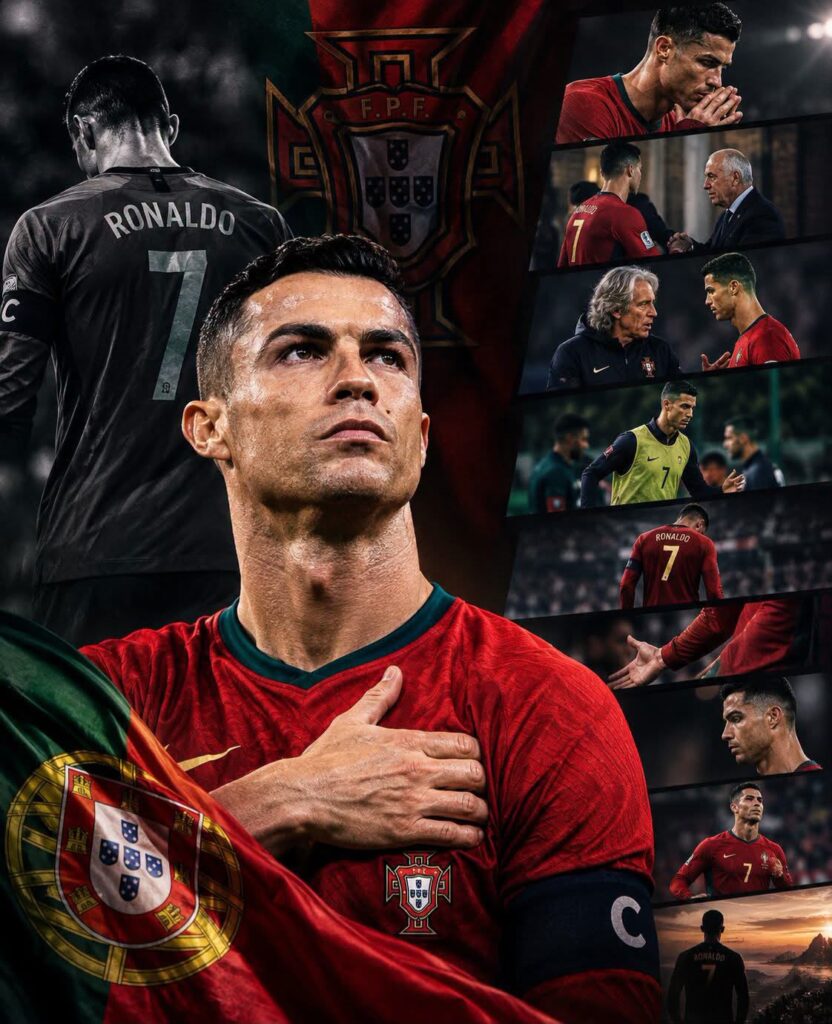
Dispute With Jorge Jesus Sparks Controversy
The situation escalated on September 30, when Ronaldo left Portugal’s training camp in Copenhagen ahead of the team’s UEFA Nations League fixture against Denmark.
The departure followed growing tensions with Jesus after Ronaldo was left on the bench during Portugal’s 2-1 victory over Norway. According to Ronaldo’s subsequent account, he had been told that he would play for approximately 30 minutes against Norway. He warmed up but was ultimately not brought onto the pitch.
Ronaldo later accused the coach of breaking his word, claiming that their private discussions had not been reflected accurately in the coach’s public comments. The disagreement intensified when Ronaldo decided to leave the camp after speaking with Portuguese Football Federation president Pedro Proença.
The FPF confirmed that Ronaldo had left the national team camp but initially emphasized that preparations for the upcoming fixtures would continue with the remaining squad members.
What Do Portugal’s Disciplinary Rules Say?
Under Article 160 of the Portuguese Football Federation’s disciplinary regulations, a player who abandons or fails to attend a national team training session, match or related activity without justification may face a suspension ranging from one to six months.
The regulations also provide for a financial penalty for professional players, reported to range from €500 to €1,000. The provision concerning unauthorized absence or departure includes an automatic precautionary suspension.
However, the maximum possible punishment should not be confused with a final disciplinary decision. The circumstances surrounding Ronaldo’s departure, including whether his actions are deemed justified under the applicable rules, remain relevant to any final ruling.
The potential sanction has therefore raised questions about how the federation will balance its disciplinary regulations with the circumstances of an incident involving Portugal’s captain and all-time leading scorer.
Ronaldo Apologizes and Accepts Responsibility
In a public statement released on October 6, Ronaldo addressed the controversy and apologized to Portugal’s supporters and teammates for the way he left the national team camp.
The 41-year-old forward acknowledged that his actions should have consequences and argued that his responsibilities as captain made the situation particularly serious. He also indicated that he would accept the disciplinary consequences imposed by the federation.
At the same time, Ronaldo offered his explanation for the walkout, reiterating his claim that the disagreement stemmed from commitments he believed had been made regarding his involvement against Norway and the subsequent handling of the dispute.
His statement sought to clarify his position while leaving the door open to a return to international duty. Ronaldo stressed that his commitment to Portugal remained intact and that he would continue to make himself available for selection, provided he was physically fit and performing for his club.
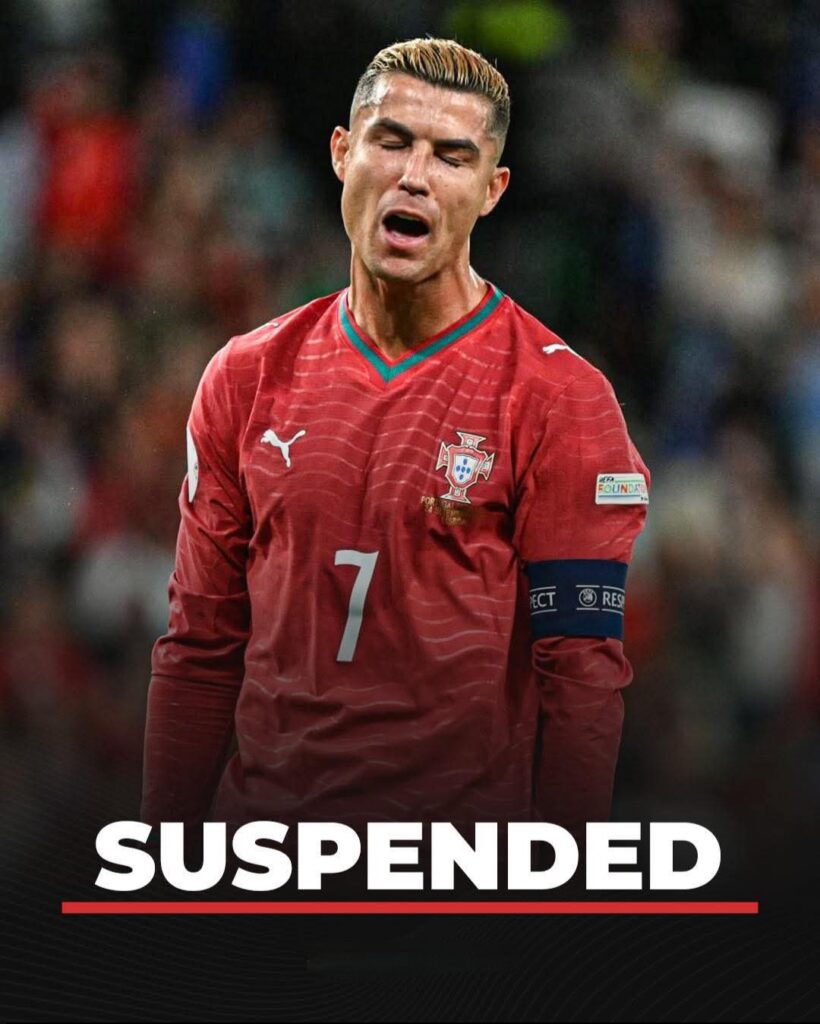
Jorge Jesus Responds as Portugal Faces Questions
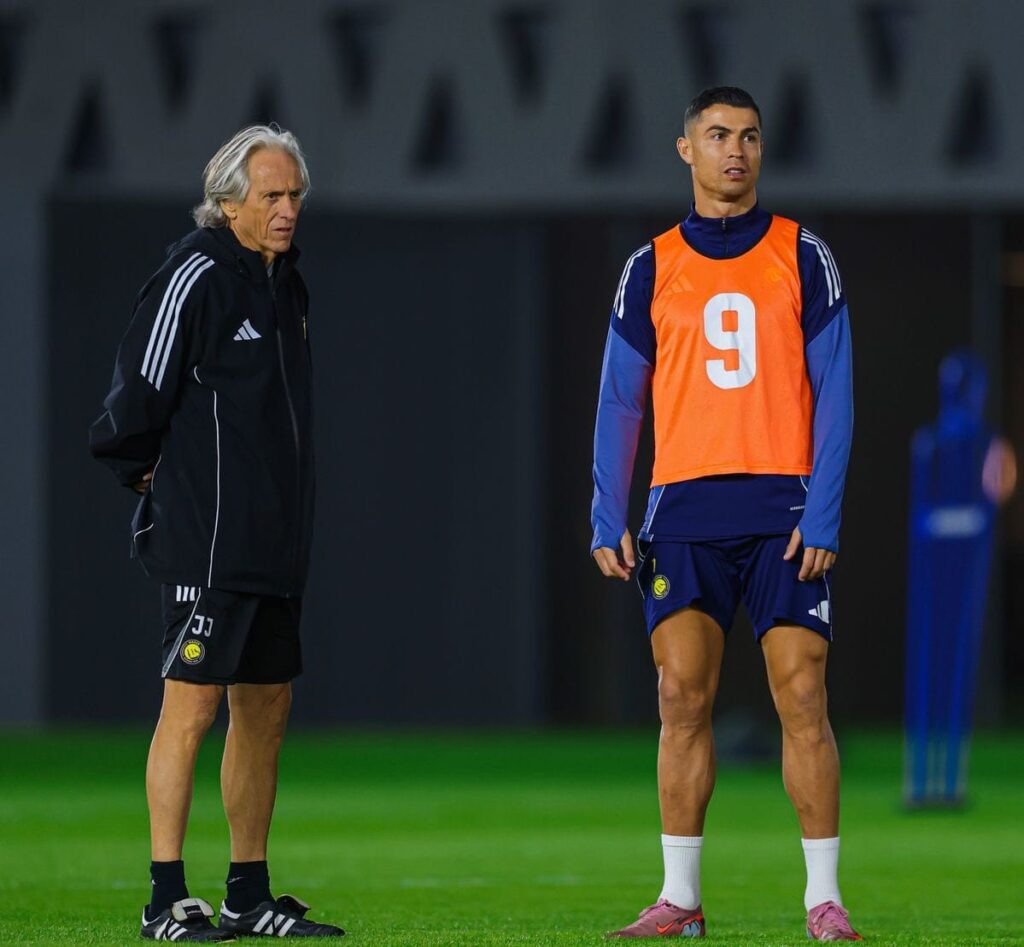
Jesus has maintained his authority over team selection, emphasizing that decisions about playing time belong to the coach. The disagreement has consequently become more than a dispute over one player’s minutes, raising broader questions about communication, discipline and the relationship between senior players and national team management.
The Portugal coach has also indicated that his focus remains on the national team, while the federation’s leadership has expressed the view that the situation may be resolved internally.
Despite the public tension, neither the walkout nor the possibility of disciplinary action necessarily signals the end of Ronaldo’s international career.
What Happens Next?
The key issue is whether the Portuguese Football Federation will formally impose a suspension and, if so, how long it will last. Until a final decision is confirmed, the one-to-six-month range remains a potential penalty under the regulations rather than a definitive sentence.
A lengthy suspension could affect Ronaldo’s availability for Portugal’s upcoming international commitments and complicate preparations for future competitions. It would also place the federation in the position of enforcing its rules against one of the most influential players in the country’s football history.
For now, the dispute leaves Portugal facing two connected challenges: determining the disciplinary consequences of Ronaldo’s departure and restoring stability within the national team.
The outcome will depend on the federation’s assessment of the incident, while Ronaldo’s stated willingness to accept the consequences offers a possible route toward resolving the controversy without closing the door on his international future.